








Coming home from hospital is often a huge relief; however, it can also feel overwhelming. Whether the stay was planned or unexpected, the first few weeks are crucial for healing. This is exactly where short-term private care becomes invaluable, because it offers the right support at the right time, ensuring no one has to recover alone. Tips for recovering after being hospitalised can be found by clicking here.
Why the First Few Weeks After Discharge Matter
After a hospital stay, many people find everyday tasks more difficult than before. For example, mobility may feel unsteady, new medications may be confusing, and fatigue can make simple routines challenging. As a result, the risk of falls, missed medication, or readmission increases. Therefore, having short-term private care in place helps stabilise recovery and prevents avoidable setbacks.
How Short-Term Private Care Supports Recovery
1. Safe, Supported Transitions Home
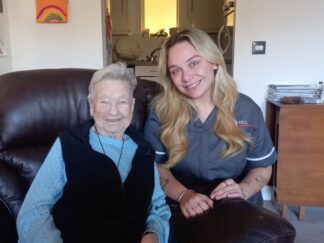
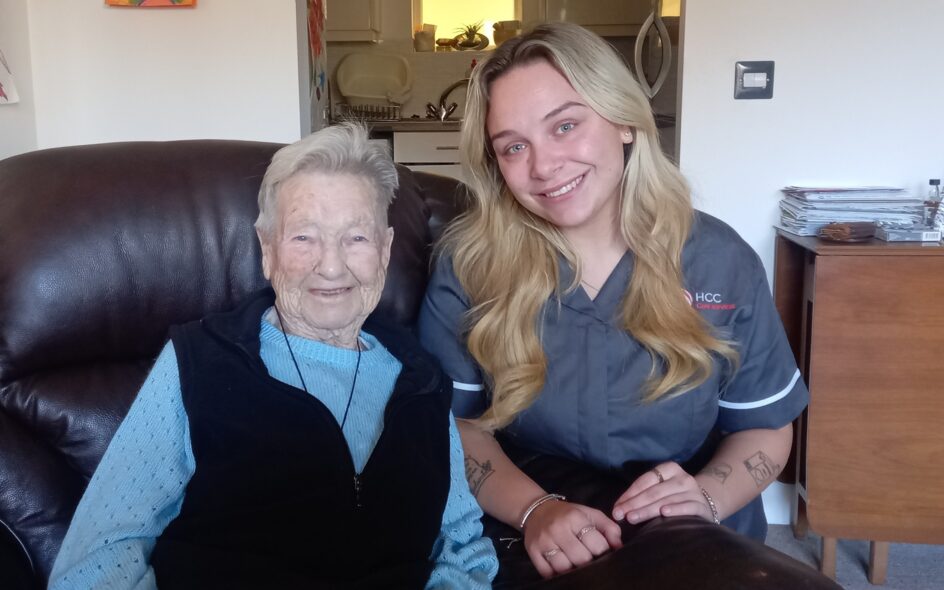
Leaving hospital can feel daunting, especially for those living alone. Fortunately, with short-term private care, a trained carer can be there from day one to help someone settle in, check safety concerns, and provide reassurance. This way, the transition feels smooth rather than stressful.
2. Help with Daily Tasks
After illness or surgery, even routine activities may feel tiring. Because of this, private care can include support with washing, dressing, light housework, shopping, meal preparation and more. Consequently, individuals can focus on resting and rebuilding strength.
3. Rehabilitation & Mobility Support
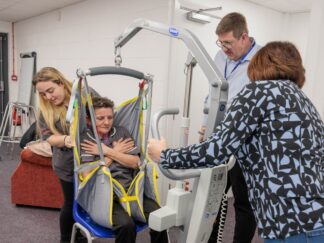
Another key benefit is mobility assistance. Carers can encourage gentle exercises, help with transfers, and support safe movement around the home. Additionally, this reduces the risk of falls and promotes faster physical recovery.
4. Medication Support
Hospital discharge often comes with new medications or adjusted prescriptions. Therefore, short-term private care can provide reminders, observe for side effects, and help maintain consistency. Moreover, this reduces the chance of confusion or missed doses.
5. Monitoring & Early Escalation
Carers are trained to spot early signs of change. For instance, increasing pain, reduced appetite or sudden confusion can indicate complications. By escalating concerns promptly, carers help avoid preventable deterioration.
6. Emotional Reassurance & Confidence Building
Recovery isn’t just physical. Meanwhile, the emotional comfort a carer provides can dramatically improve wellbeing and motivation. Ultimately, reassurance boosts confidence at a time when many people feel vulnerable.
How Long Does Short-Term Private Care Last?
Short-term private care is intentionally flexible. In many cases, support is needed for only a few days, while in others it may continue for several weeks. Either way, care levels can be gradually reduced as independence returns. This adaptable approach ensures care always matches the pace of recovery.
Who Can Benefit?
Short-term private care is ideal for those recovering from:
- Surgery
- Falls or fractures
- Infections
- Strokes
- Cardiac events
- Periods of general decline
Additionally, it’s extremely valuable for people awaiting long term support packages from local authorities or NHS teams.
Benefits for Families
Families often balance work, travel and personal responsibilities. Consequently, providing full time support themselves isn’t always possible. Short-term private care fills this gap, giving families peace of mind while ensuring their loved one receives professional, attentive help. Furthermore, it allows families to stay involved without becoming overwhelmed.
How to Arrange Short-Term Private Care
The process is simple:
1. Book a free initial assessment.
2. Discuss support needs and recovery goals.
3. Choose the level of support (daily visits or short-term live-in care).
4. Start care quickly to support a safe transition home.
Ultimately, this care removes stress and ensures recovery begins on the right foot.
Supporting a Safe, Comfortable Recovery at Home
Short-term private care empowers individuals to recover safely, comfortably and confidently in their own homes. Even better, it provides families with reassurance during an uncertain time. Whether your loved one needs light help or more hands-on support, this kind of care ensures the journey from hospital to home is as smooth as possible.
To enquire about our services please click here.
To contact our friendly team on how we can best support you or a loved one, please click here.
Social Media
To keep up to date with what we get up to, please visit our socials by clicking the links below.
Liverpool
Cheshire
See Also





Our partners